Rivian’s R2 helps it set a new sales record.
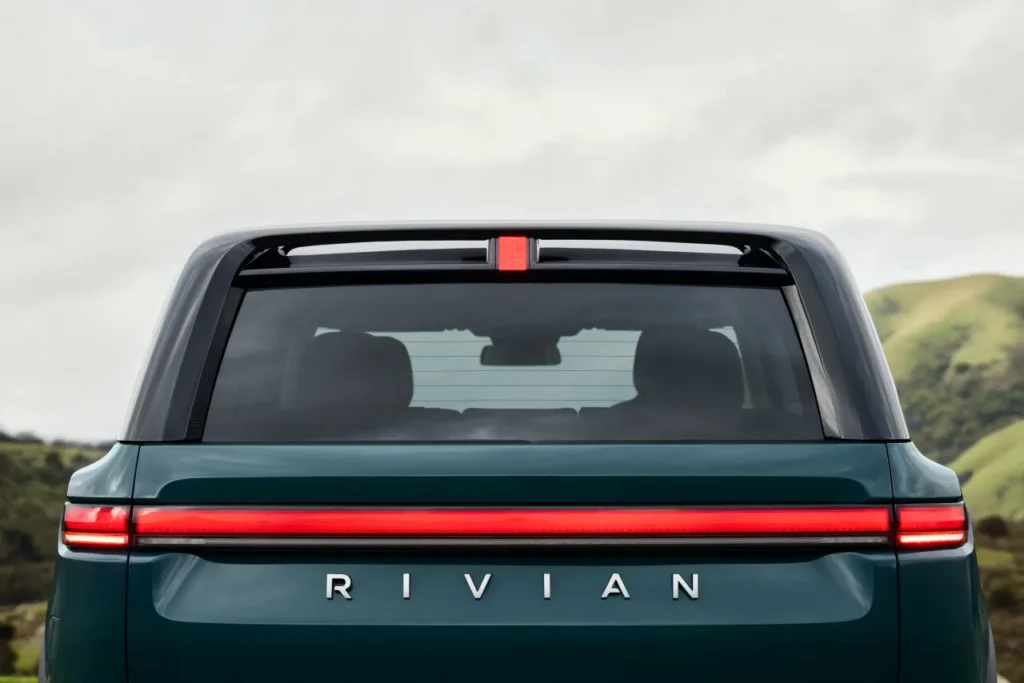
Rivian achieved record electric vehicle sales in the third quarter, driven largely by the launch of its new, more affordable R2 SUV.
The company announced on Friday morning that it produced 19,751 vehicles and delivered 19,248. This represents an increase of approximately 45% in deliveries compared to the same period last year.
Although Rivian has not disclosed specific sales figures for the R2 SUV, this marks the first full quarter since the new vehicle’s launch in June. The company announced on Friday that it will release its full third-quarter financial report on October 29.
Rivian has high hopes for the R2, which currently starts at just under $60,000. The company projects sales of 20,000 to 25,000 units by the end of the year, potentially making it one of the fastest-selling electric vehicles in U.S. history, trailing only the Tesla Model Y. Rivian also plans to introduce lower-priced models, with starting prices as low as approximately $45,000.
If Rivian meets these targets, it expects to sell between 65,000 and 70,000 vehicles this year—including its R1 series and commercial electric vans. This would mark the company’s best sales year to date, as sales volume has hovered around 50,000 units in recent years.
Rivian is currently manufacturing the R2 at its plant in Normal, Illinois, where production space was recently expanded to accommodate the new SUV. However, the company is also building a new factory near Atlanta, Georgia, which is expected to reach an annual capacity of 300,000 vehicles in the near future, with options for further expansion.
Rivian needs the R2 to be a sales success to stem years of massive losses—losses driven in part by heavy investment in the infrastructure required to support this mass-market model. Additionally, Rivian has signed an agreement with Uber to produce a robotaxi version of the R2 SUV. Viewing the robotaxi market as having immense potential, the company postponed its goal of achieving profitability by 2027—originally set for that year—in March to increase investment in autonomous driving technology.